



Main gearbox
Gearbox failure
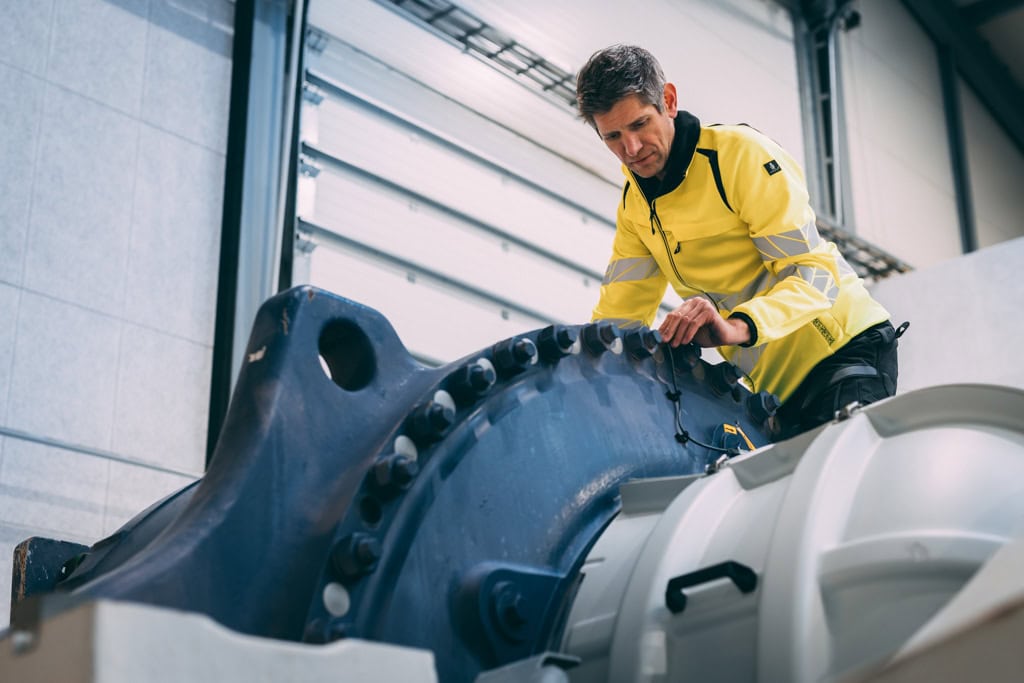
The main gearbox sits at the centre of the drivetrain. When it fails, the turbine typically stops and recovery can be complex. This makes gearbox failure one of the highest‑impact events in terms of availability and lost wind energy.
Understanding the Problem
Why does gearbox failure require early decisions?
Gearbox failure is rarely a single moment. It is often the outcome of wear patterns developing over time and reaching a critical point. When the risk becomes clear, the priority shifts to making the right decision fast—balancing safety, repairability, lead time and long‑term operational impact.
Typical symptoms
Changing vibration behaviour
Trends shift over time, indicating developing mechanical deviation.
Abnormal noise development
New or changing sound patterns appear under load.
Temperature deviations
Operating temperatures trend higher or behave differently under similar conditions.
Metal particles in oil analysis
Oil reports indicate increasing wear debris over time.
Recurring shutdowns or operational limitations
Stops or derating repeat as stability margins reduce.
Inspection findings indicating abnormal wear
Observations point to damage progression or component distress.
Solution
New gearbox (sourcing)
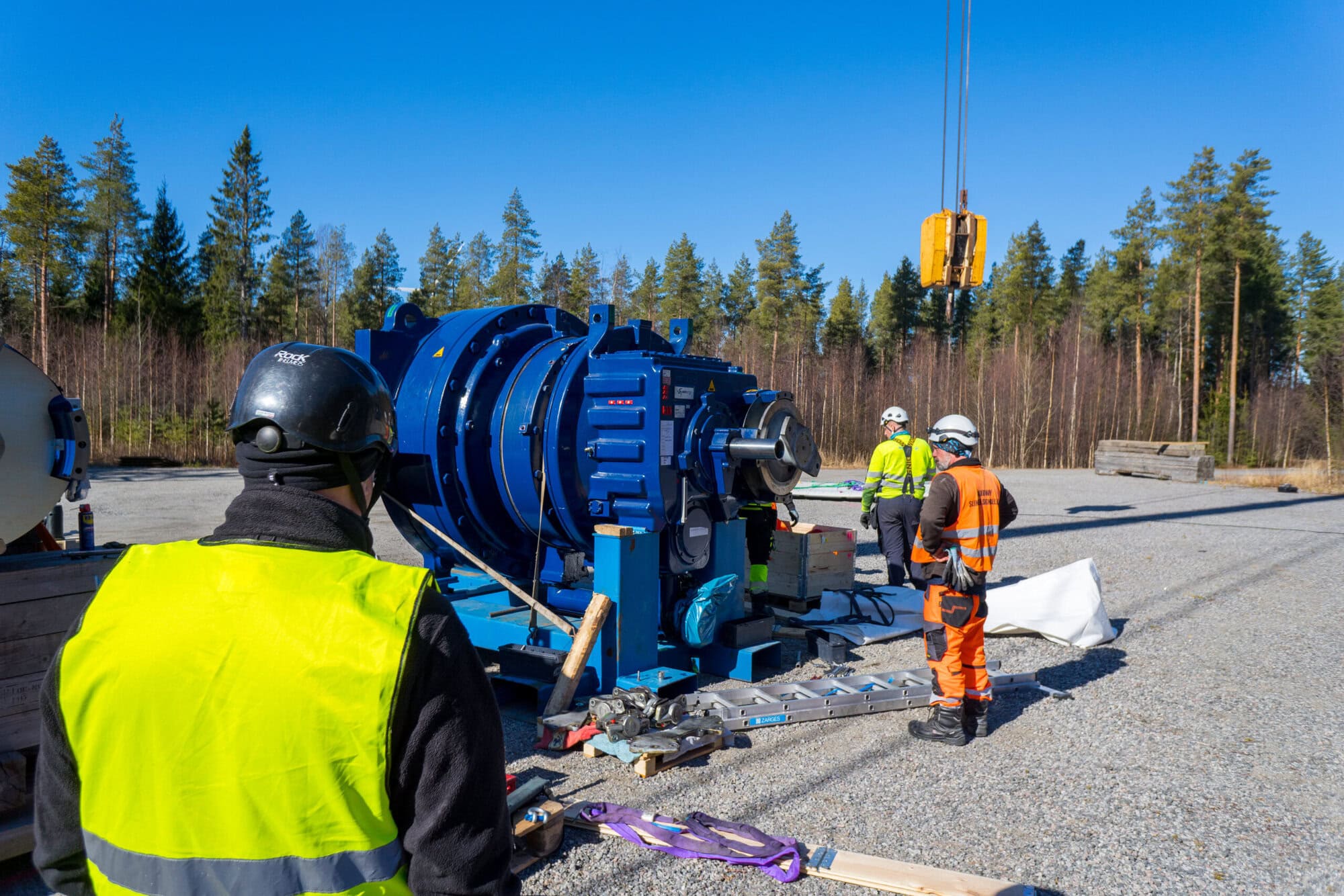
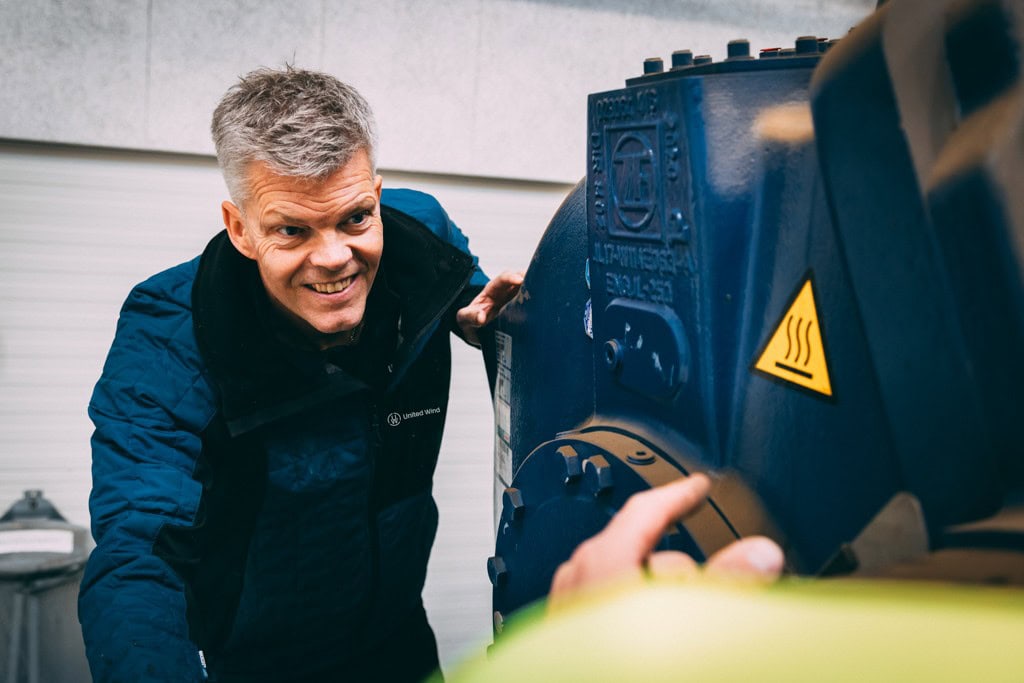
A new gearbox can provide a clean baseline when replacement is the most responsible path forward. In practice, availability and lead time can be the limiting factor, and sourcing often becomes the main challenge. United Wind supports the process by structuring the decision early and aligning the replacement path with safety, downtime impact and long‑term operation.
Solution
Refurbished gearbox
A refurbished gearbox restores function by returning a unit to a controlled condition rather than starting from unknown wear progression. This option can reduce lead-time risk compared to full replacement and supports a durable long‑term outcome. It is most valuable when the refurbishment route provides a balanced result across lifecycle, cost and operational impact.
Solution
Up‑tower reparation
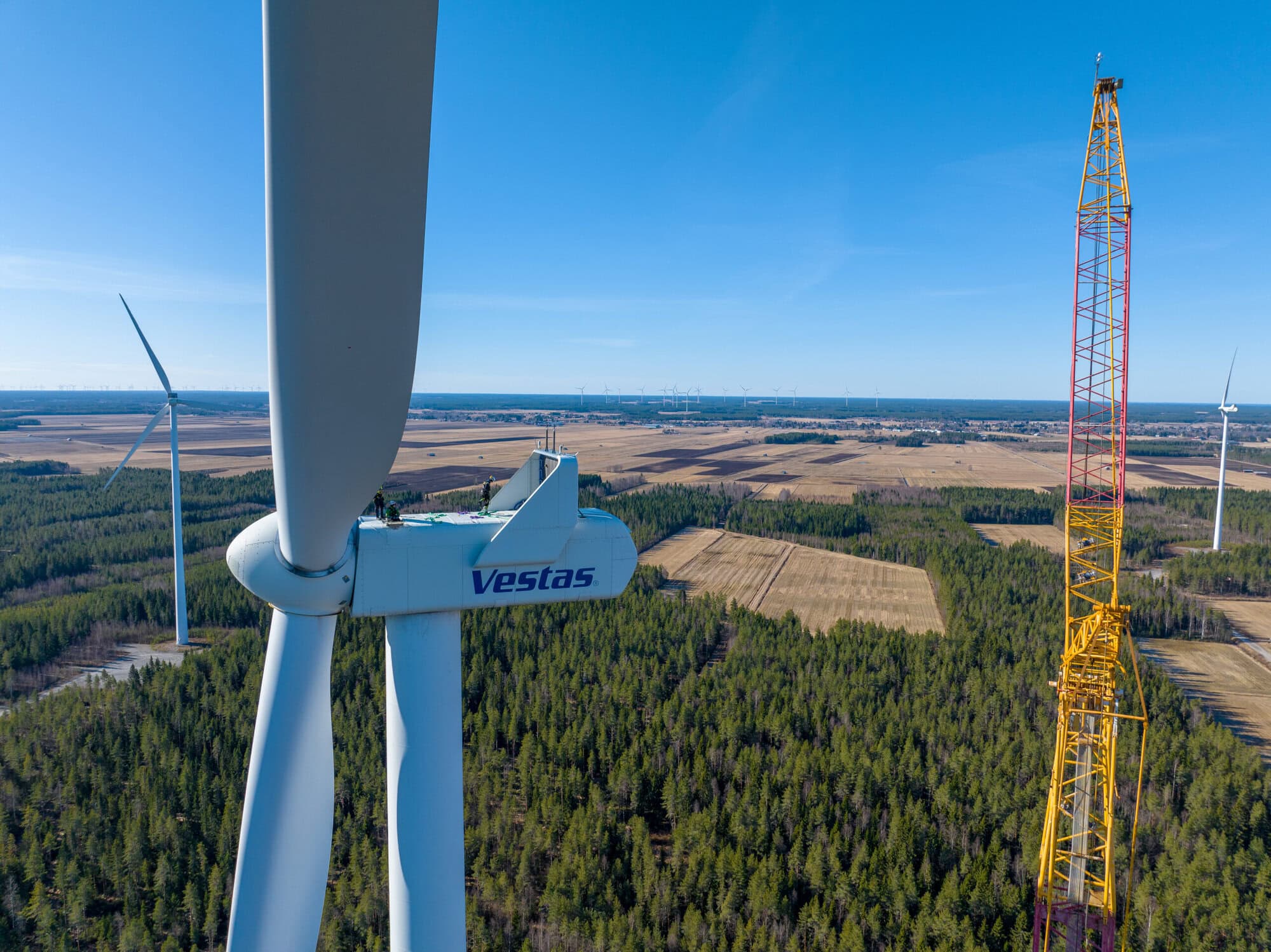
Up‑tower repair can be relevant when the issue can be addressed safely on site without full gearbox removal. This reduces handling and logistics and may shorten the path back to stable operation. The focus is a controlled intervention that avoids unnecessary downtime while maintaining safety and long‑term reliability.
Solution
Preventive actions
Preventive actions, aim to slow wear development and stabilise operating conditions before failure becomes unavoidable. This can include targeted exchange of wear‑sensitive interfaces and improving oil cleanliness through added filtration.
The goal is to extend stable operation and reduce the likelihood that small deviations escalate into high‑impact events.